
I was concerned to read The Straits Times report about the rising sales of Blue Tang after watching Pixar’s ‘Finding Dory‘. Some retailers in Singapore reported an increase in sales as high as three times after the movie was released.
This is hardly surprising given the similar effects on clown fishes after the release of ‘Finding Nemo’ in 2003. The species is currently facing dwindling population due to global warming.
While I completely understand the instinct to delight our children and give them what they love, I also believe that we—as parents, educators, and community leaders—have a responsibility to consider the broader impact of our choices on the environment.
After the release of Finding Nemo, the demand for clownfish as pets spiked dramatically, leading to concerns about overharvesting. Now, with Finding Dory, there’s a risk we may see the same pattern repeat with Blue Tangs.
Unlike goldfish, species like the Royal Blue Tang require specific care, diets that can’t be substituted easily, and highly controlled environments to survive. To make matters more complex, Blue Tangs are extremely difficult to breed in captivity—meaning many are taken from the wild, which places further pressure on fragile marine ecosystems.
If you’re planning to watch Finding Dory with your child, I encourage you to turn it into a meaningful learning moment. Instead of buying a Blue Tang, take the opportunity to explore the film’s deeper environmental message together.
Here are three simple but powerful takeaways to share with your kids:
1) Big sea animals should not be kept in aquariums
Two of Dory’s friends in the film are Destiny, a near-sighted whale shark, and Bailey, a beluga whale.
The two are kept in large aquariums resulting in negative consequences. Destiny is unable to navigate properly and constantly bumps into walls. Bailey was initially not able to use his natural gift of echolocation.
Later on, when they both had to escape, Destiny was afraid till Bailey reminds her that
“There are no walls in the ocean.”
Though the movie never outright condemns aquariums or similar marine animal exhibits, it does send the message that enclosures are no place for big wild animals like Destiny and Bailey.
Being in captivity interferes with an animal’s natural processes, such as echolocation and swimming patterns. It also severely limits the space they’re given to move around.
In the wild, orcas and dolphins swim up to 100 miles per day. But captured dolphins are confined to tanks that may be only 24 feet long, 24 feet wide, and 6 feet deep.
They navigate by echolocation—bouncing sonar waves off other objects to determine their shape, density, distance, and location—but in tanks, the reverberations from their own sonar bounce off the walls, driving some dolphins insane. This explains Bailey’s strange behaviour, irritable nature and constant confusion in the first part of the film.
Life for a captive animal like Destiny and Bailey often “leads to a confusion of the entire sensory apparatus” which in turn “causes in such a sensitive creature a derangement of mental balance and behaviour.”
2) Touch pools are stressful for the fishes
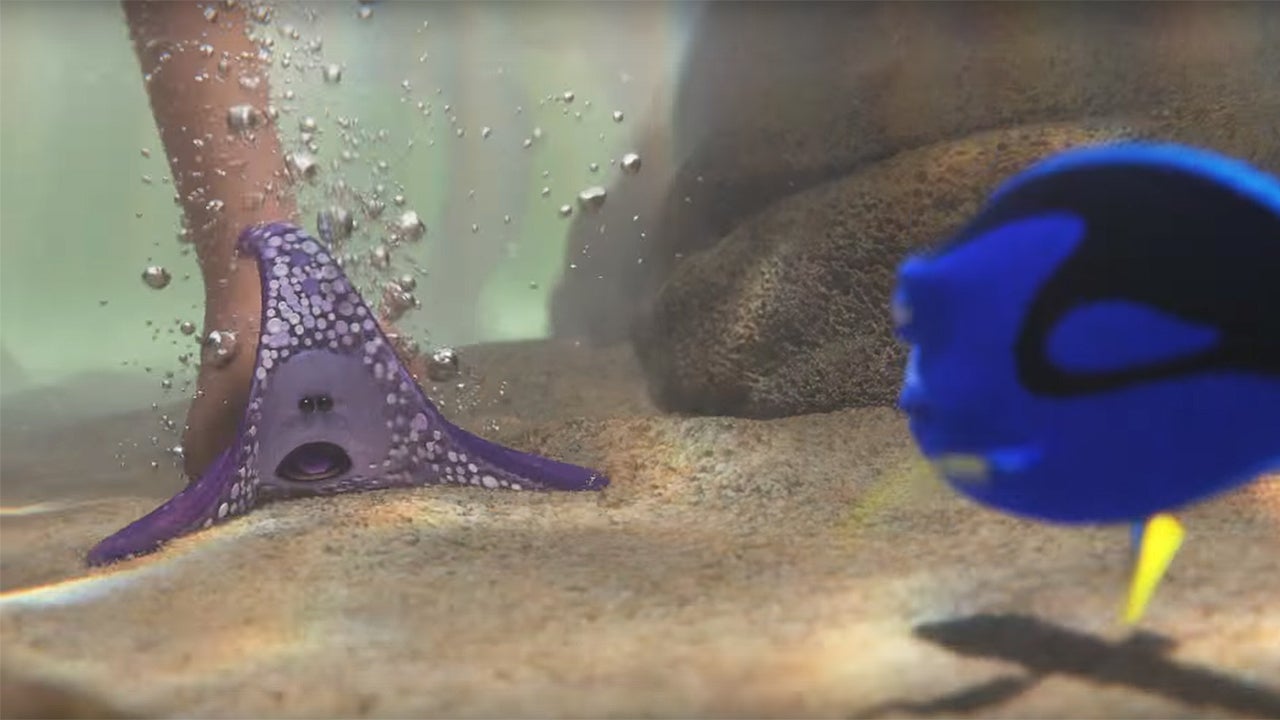
While at the Marine Life Institute, Dory and Hank find themselves in a touch pool. The intense scene shows the touch pool concept, common to many aquariums, from a different perspective. The fish are horrified and absolutely unwilling to be touched by the children.
Hank himself had expressed that the Kid’s Zone was the scariest section in the entire park.
What the scene is trying to convey is that all those grabby hands breaking through the surface are horrifying and stressful from the fishes’ point of view.
On top of that, it is even be harmful to the fishes. Recent events have shown that touch tanks are death traps for animals. 54 stingrays died from an unknown toxin in the Calgary Zoo’s touch tank within three months after the exhibit opened. In another case, 21 stingrays died in the tank at Fresno Chaffee Zoo in California, and 16 died at Illinois’ Brookfield Zoo
With the examples of this scene, you could teach your kid something like “Look, yes it is fun for you to interact with animals. However, you have to take into consideration their emotions and your size compared to theirs. It might be a really stressful experience for them.”
When fewer children demand to be able to interact with sea animals, the aquariums will eventually stop offering touch tanks for children.
3) Littering in the beach hurts animals
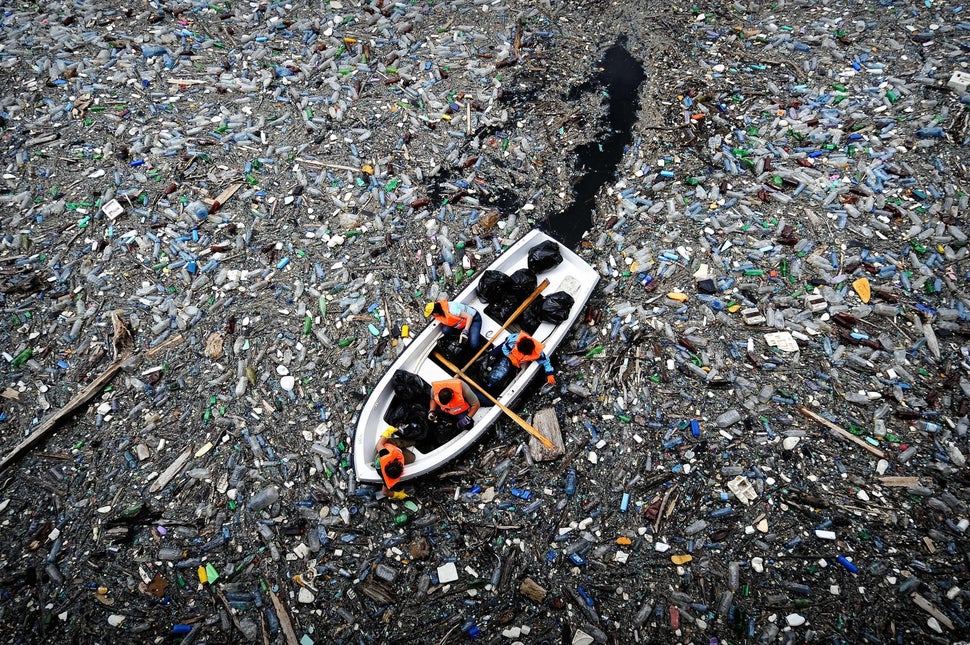
After Marlin, Nemo and Dory hitched a ride across the ocean with a group of sea turtles to California, she arrive at a bay, polluted with trash and debris.
Suddenly, Dory, who has become entangled in a ring of plastic, is plucked out of the water and plonked into a cooler by people in a boat.
“No respect for ocean life,” one muttered, as the boat takes Dory to the Marine Life Institute and deposits her in a tank alone.
Using this scene in ‘Finding Dory’, you can highlight to your child about the disastrous consequences of littering in our oceans and how it causes the death of animals.
This constant barrage (the equivalent of 136 billion milk jugs each year, estimates a study published in the journal Science) poses a serious danger to marine life. Animals can get tangled up in this trash or ingest it—either because they mistake it as prey or because the plastic has been broken down into tiny particles by seawater.
You can even go a step further to encourage your child to make a positive difference to our environment.
As deputy chief executive Anbarasi Boopal of non-profit Acres (Animal Concerns Research & Education Society) shares, instead of buying fish, Singaporeans can instead volunteer with Singapore wildlife protection groups for coastal clean-ups or other activities that can help improve the wellbeing of these animals.
“This will go a long way for the blue tangs and clownfish in the wild, where they truly belong,” he said.
Ellen DeGeneres, who voices Dory in Finding Dory, once shared that she hoped the film would send an important message about how we treat marine wildlife:
“I think that fish should be in the ocean, which is what this whole sequel is about: rehabilitation and putting them back in the ocean … And we have to protect our oceans.”
As leaders, educators, and parents, we have a powerful opportunity to use moments like this to guide the next generation in understanding the value of empathy, respect for nature, and responsible stewardship of our environment.
Films like Finding Dory can spark meaningful conversations with children about protecting our oceans, the importance of biodiversity, and how animals—especially those in captivity—have different needs from our own.
Let’s help children grow up not only entertained, but also informed and inspired to care deeply about the world beyond them.
